North Carolina Parents Demand Religious Accommodations After Wake County School District Hires Transgender Teacher
TMS gives district 15 days to honor opt-outs, protect students who use biologically correct pronouns, ensure bathroom safeguards or face lawsuit

APEX, N.C. — A group of parents at Middle Creek Elementary School is demanding that the Wake County Public School System (WCPSS) respect their families’ religious rights after the district recently hired a new music teacher—a biological male who presents as a transgender woman. When the parents asked for accommodations for their children regarding pronoun use and classroom discussion of gender and sexuality, the district refused. Now, representing these families, Thomas More Society attorneys have given WCPSS 15 days to provide written assurances protecting their rights, or face a lawsuit.
The demand letter, sent September 15 by Thomas More Society attorneys on behalf of the parents and the association Middle Creek Parental Rights, asks WCPSS to guarantee in writing:
- That parents may opt their children out of any class taught by the teacher;
- That no student will be disciplined for using “Mr.” and male pronouns for the teacher;
- That gender identity and sexuality will not be discussed with students without advance parental notice and the right to opt out;
- That the teacher will not share a bathroom, locker room, or similar space with students; and
- That no family will face retaliation for asserting these rights.
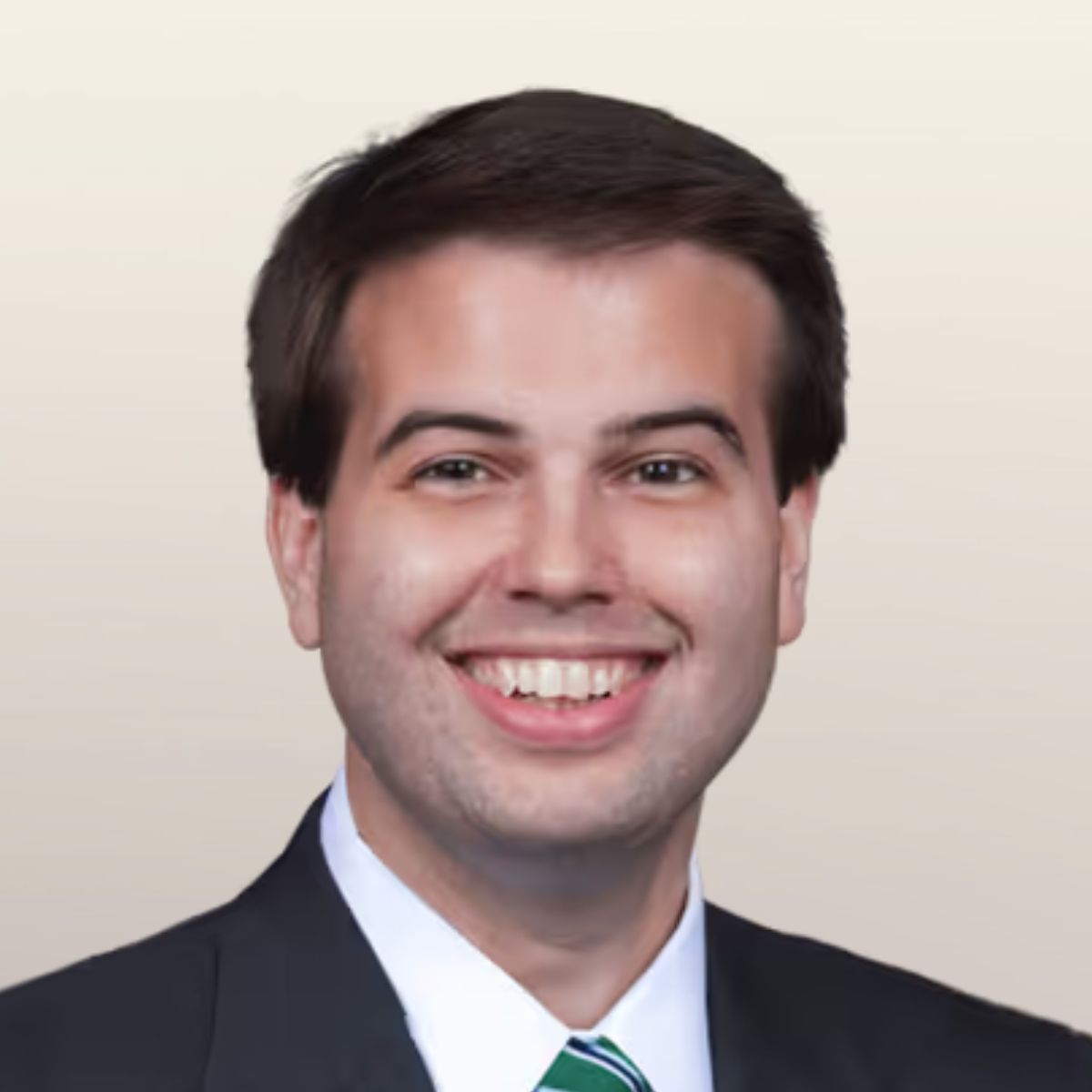
“These are modest, common-sense protections, and the Constitution requires them,” said Tyler Brooks, Senior Counsel at Thomas More Society. “Parents have the right to direct the religious upbringing of their children, and children should not be punished for speaking in a way that is consistent with their family’s faith. We are only asking school officials to respect parents’ rights and not force issues of sexuality and gender identity on elementary school children.”
Because music is a required weekly class, the families say their children cannot simply avoid the teacher; yet their requests to opt out have been denied, and they were told that keeping a child out of the class would count as an unexcused absence. According to the letter, one parent’s child was corrected in front of the class for calling this biologically male teacher “Mr.,” and administrators have reserved the right to discipline students who decline to use the teacher’s preferred pronouns and courtesy title. The families, who hold traditional Christian beliefs about sex and gender, say those decisions belong to parents, not the school.
Those requests have taken on new urgency, the families say, because of how WCPSS responded when they were first raised. The letter documents hostility toward the parents after they spoke up. A speaker at a Wake County Board of Education meeting called them “bigots” and urged that their children be expelled, and another individual described religious parents as the “worst of Wake County.” One family was doxxed online and, after reporting it to the school, received a profane text message referencing their child from an individual connected to the district.
Thomas More Society grounds these legal demands in two recent U.S. Supreme Court decisions—Mahmoud v. Taylor (2025) and Mirabelli v. Bonta (2026), the latter of which was won by Thomas More Society—holding that schools must meet the highest constitutional standard before adopting policies that interfere with parents’ right to direct their children’s religious upbringing. The letter also invokes North Carolina’s Parental Bill of Rights and the state’s statutory limits on instruction about gender identity and sexuality in the early grades.
“The Supreme Court has already made clear where the law stands on these questions, and the Court’s decision in Mirabelli is binding law,” Brooks added. “No school board, no principal, no rogue employee gets to brush aside a parent's religious objections and act like the Constitution doesn’t apply to them. Wake County can honor these families’ rights now, or it can explain to a court why it believes the Constitution does not apply here.”